


Singapore | July 2026
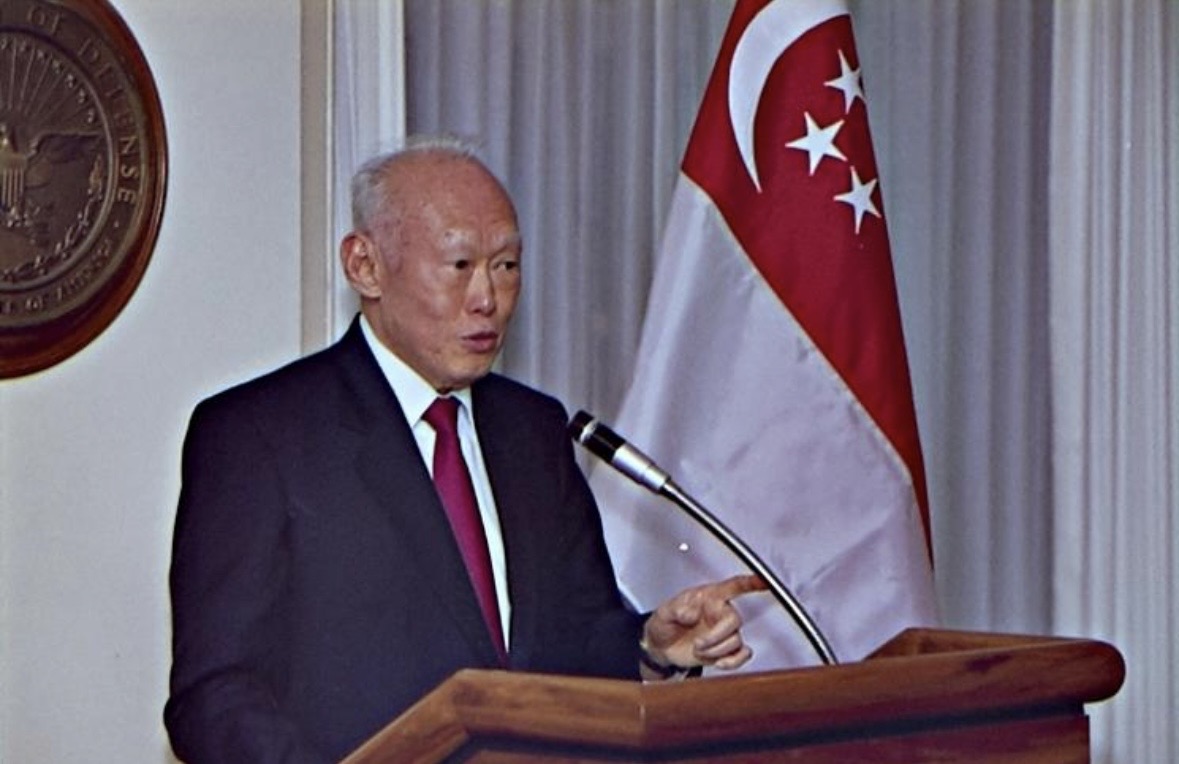
Few leaders have transformed a nation as dramatically as Lee Kuan Yew, the founding Prime Minister of Singapore. Widely regarded as the architect of modern Singapore, his leadership turned a small island with limited natural resources into one of the world’s most prosperous, efficient, and globally connected economies.
When Singapore gained independence in 1965, the country faced unemployment, housing shortages, and economic uncertainty. Under Lee Kuan Yew’s leadership, the government focused on industrialization, world-class infrastructure, quality education, clean governance, and attracting foreign investment. These policies laid the foundation for decades of sustained economic growth.
Lee also emphasized meritocracy, strict anti-corruption measures, and long-term planning. His administration invested heavily in public housing, healthcare, transportation, and education, helping create a high standard of living for Singapore’s citizens. Today, Singapore is recognized as a global financial hub and one of the world’s most competitive economies.
While his leadership style sparked debates over political freedoms and civil liberties, supporters credit him with providing stability, security, and rapid development during a crucial period in Singapore’s history. His governance model continues to be studied by policymakers and leadership experts around the world.
Lee Kuan Yew’s legacy demonstrates how strategic vision, disciplined governance, and a commitment to national development can reshape a country’s future. His influence extends far beyond Singapore, inspiring discussions on leadership, economic policy, and nation-building across the globe.